Otto Simon · 16 October 2026
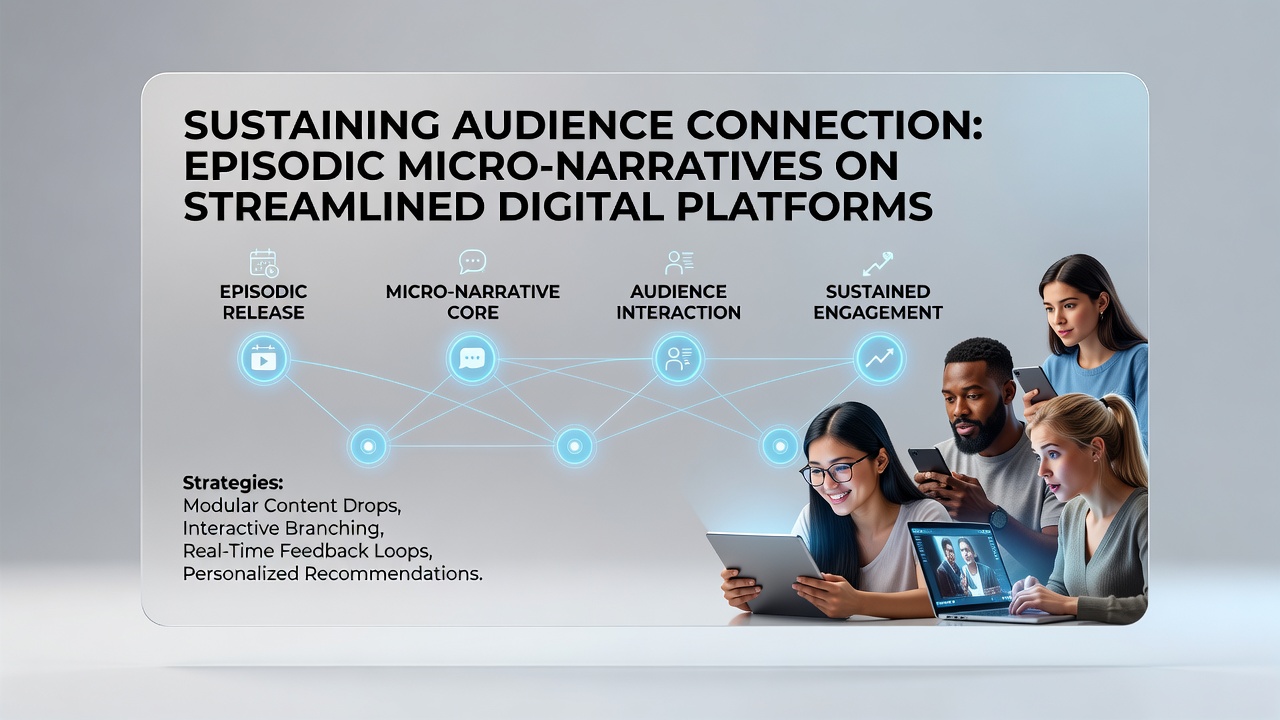
Strategies for Sustaining Audience Connection via Episodic Micro-Narratives on Streamlined Digital Storytelling Services
Episodic micro-narratives consist of brief serialized story segments delivered through digital platforms that prioritize simplicity and speed, and these formats have gained traction as services refine their tools for consistent user interaction. Data from industry reports shows that platforms built around short-form delivery maintain higher repeat visit rates when stories unfold across multiple installments rather than as standalone pieces, because each segment ends with an unresolved element that prompts return visits.
Core Elements of Episodic Micro-Narratives
Streamlined services such as specialized storytelling apps and social video tools support creators who break longer arcs into segments lasting between thirty and ninety seconds, and this structure aligns with mobile consumption patterns where users scroll quickly yet return for updates. Research indicates that connection strengthens when each episode references prior events while introducing minimal new information, which reduces cognitive load and encourages habitual checking of the platform feed.
Observers note that successful implementations rely on consistent visual motifs and recurring character cues across installments, while character development advances only in small increments per release. Studies on user retention reveal that audiences remain active longer when platforms notify them automatically about new episodes, and this notification layer integrates directly with the service's core interface rather than requiring separate applications.
Platform Features That Support Ongoing Engagement
Digital storytelling services incorporate timeline views that display episodes in sequence, and users can access previous segments without leaving the current view, which preserves narrative flow. Analytics provided by these services track completion rates per episode, allowing creators to adjust pacing based on drop-off points, and data shows higher completion when transitions between segments use visual hooks that echo earlier scenes.

Services also enable collaborative elements where viewers contribute short prompts or character decisions that influence later episodes, and this interactivity occurs within the same streamlined environment without additional software. In October 2026 several platforms introduced unified episode libraries that group related micro-narratives automatically, adn early figures from service providers indicate this feature increased average session duration by linking related content across creator accounts.
Techniques for Maintaining Audience Ties
Creators on these services schedule releases at fixed intervals, and this regularity builds expectation that translates into higher open rates for notifications. According to reports from the Australian Communications and Media Authority, audiences respond positively to predictable release cadences because they integrate storytelling into daily routines, whereas irregular timing leads to lower return metrics over time.
Another approach involves embedding subtle references to real-world events or seasonal changes within the narrative, which keeps the story grounded without expanding beyond the micro format. Research from the University of Toronto's Digital Media Lab demonstrates that such contextual ties improve perceived relevance, and users who encounter these references share episodes more frequently within their networks.
Services further support connection through comment threads attached to individual episodes, and these discussions remain visible across the series so new viewers can catch up on community reactions. Figures reveal that threads moderated by creators who respond within the first hour of posting sustain higher participation levels, because timely replies signal ongoing presence and encourage continued dialogue.
Measurement and Adjustment Practices
Streamlined platforms supply built-in metrics that highlight which episodes generate the most saves or rewatches, and creators use these indicators to refine future segments without overhauling established story arcs. External analyses from sources such as the European Audiovisual Observatory confirm that services offering granular per-episode data enable more precise adjustments, resulting in steadier audience growth across multiple series.
Teams responsible for platform development continue to test notification timing and format variations, and results from controlled rollouts show that personalized timing based on user activity history outperforms generic schedules. This testing occurs continuously, with updates rolled out in phases so that impact on retention can be isolated from other variables.
Conclusion
Episodic micro-narratives delivered through streamlined digital storytelling services rely on predictable pacing, minimal new information per segment, and integrated notification systems to sustain audience connection. Platforms that supply sequence views, collaborative tools, and detailed analytics give creators the means to monitor and adjust engagement patterns, while data from regulatory and academic sources tracks broader trends in retention. These combined elements form the operational framework that supports ongoing interaction without requiring complex infrastructure on either the creator or viewer side.