Mara Krüger · 2 October 2026
How Narrative Platforms Retain Search Visibility Following Changes in Domain Registration Services
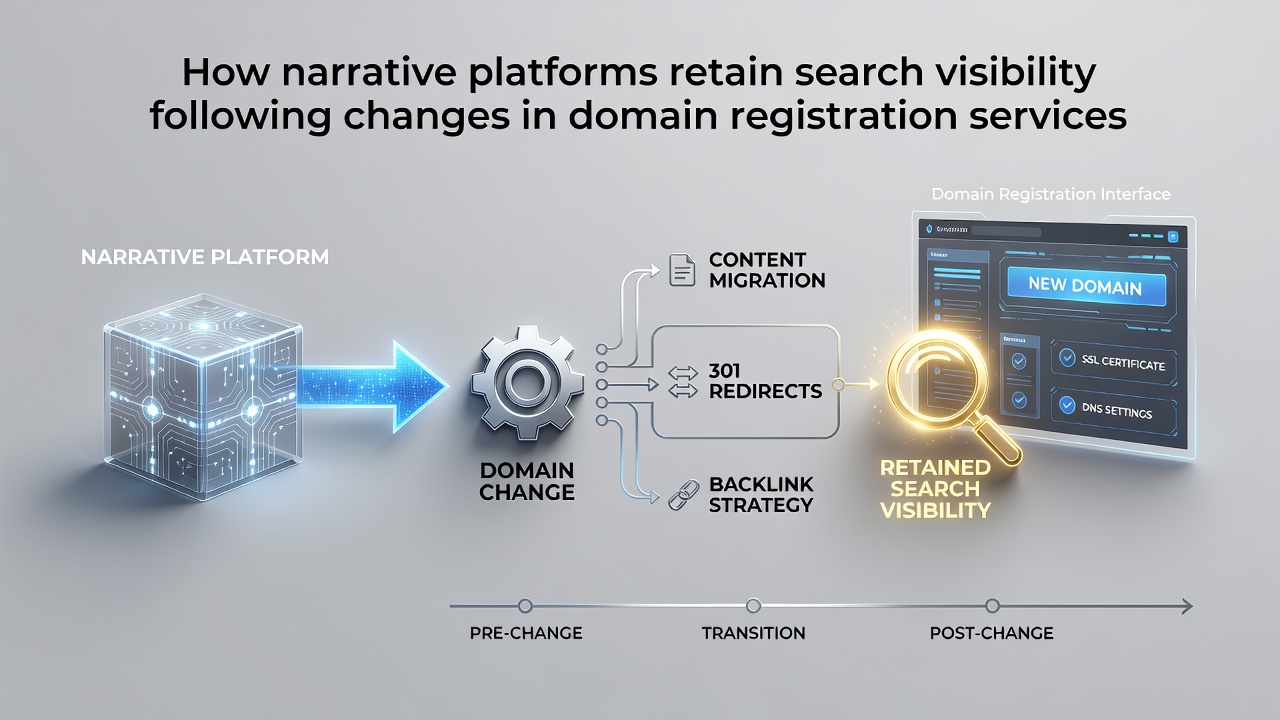
Narrative platforms that rely on storytelling formats and serialized content face specific challenges when domain registration services undergo changes, since these shifts can influence DNS records, WHOIS data visibility, and crawler access patterns. Researchers have documented how platforms maintain rankings by coordinating transfers during low-traffic windows while preserving redirect chains that signal continuity to search engines. Data from multiple monitoring services shows that sites implementing structured migration plans experience shorter periods of index fluctuation compared with those that handle transfers without preemptive verification steps.
Mechanics of Registrar Transitions and Their Effects on Indexing
Domain registration changes typically involve updates to nameservers, contact details, and renewal settings that propagate across global DNS networks over periods ranging from a few hours to several days. Observers note that narrative platforms often schedule these updates after completing content audits to confirm all internal links point to canonical URLs, reducing the risk of duplicate content signals emerging during propagation. Studies conducted by academic teams at institutions in Canada have tracked how even brief name server mismatches can delay crawler revisits, yet platforms that publish updated sitemaps immediately after changes tend to restore prior crawl frequencies within one to two weeks.
Backlink profiles remain intact when redirects are implemented at the server level rather than through meta tags alone, according to technical analyses shared by industry groups focused on web infrastructure. Platforms that maintain consistent IP addresses during the switch avoid additional latency that might otherwise affect mobile-first indexing priorities. Figures released by ICANN indicate that properly authorized transfers complete without ownership disputes in over 95 percent of cases when registrants follow the required authorization code protocols.
Preserving Engagement Metrics Across Content Ecosystems
Narrative platforms frequently publish episodic material that accumulates engagement signals over months, so any interruption in search visibility can fragment audience return patterns. Those managing such sites have adopted pre-transfer checklists that include verification of SSL certificate continuity and log file monitoring to catch crawler errors early. Research indicates that sites preserving exact URL structures during registrar moves retain higher percentages of historical ranking positions than those introducing even minor path variations.
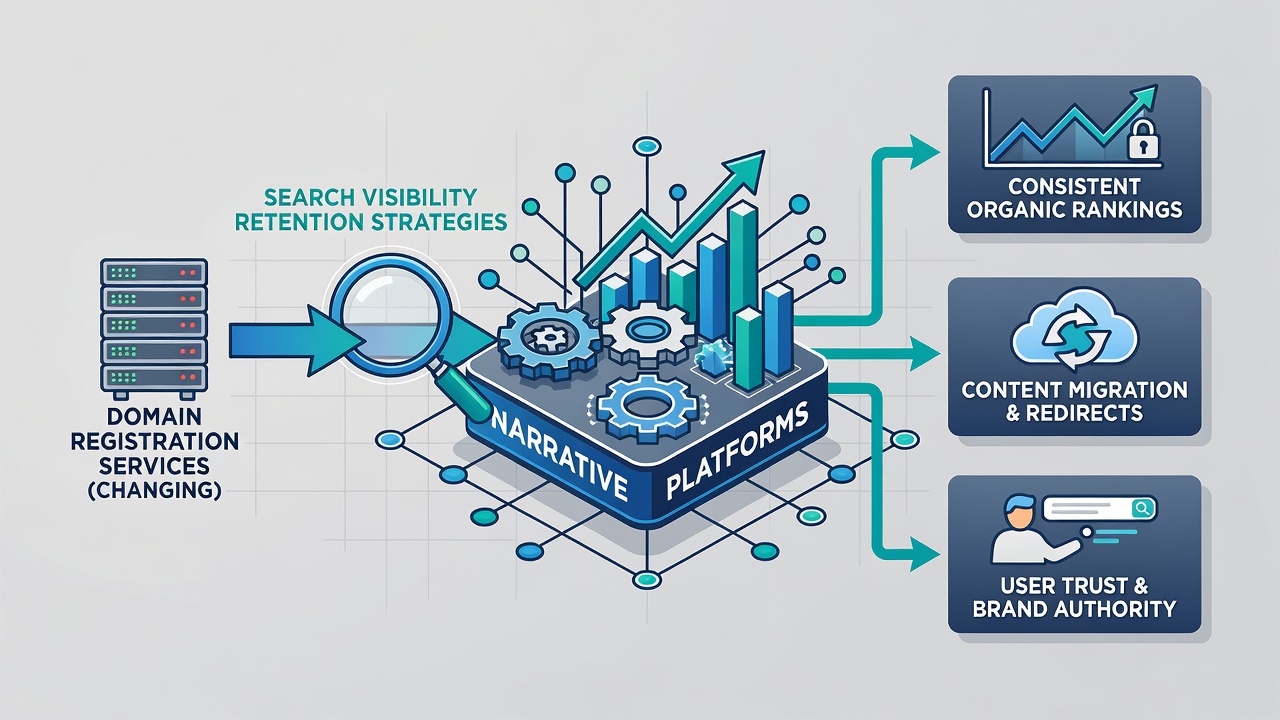
Analytics platforms record that narrative sites using structured data markup for article series recover rich snippet eligibility faster when domain changes coincide with scheduled content refreshes. External link sources such as reports from the Australian Domain Administration highlight how consistent use of canonical tags across mirrored environments prevents search engines from treating temporary hosting adjustments as separate properties. Platforms that document every step of the migration in internal wikis enable teams to replicate successful processes across multiple properties.
Monitoring and Adjustment Protocols in Practice
Teams overseeing narrative platforms often deploy automated alerts tied to search console data to detect drops in impressions within the first 48 hours after a registrar change. European research consortia have published findings showing that sites conducting parallel crawl tests using multiple geographic locations identify regional propagation delays that central monitoring might miss. These protocols allow adjustments such as temporary CDN tweaks that maintain load times while full DNS convergence occurs.
October 2026 marks the implementation window for updated ICANN registrar accreditation requirements that emphasize enhanced verification of registrant contact information, a development that may prompt additional platforms to review their domain portfolios ahead of potential policy enforcement dates. Platforms preparing for these requirements have begun cross-referencing registration records against current hosting configurations to avoid last-minute discrepancies.
Long-Term Strategies for Sustained Visibility
Successful narrative platforms treat domain registration changes as routine infrastructure tasks rather than isolated events, integrating them into annual maintenance calendars that also cover content audits and link reclamation campaigns. Data from university-led web preservation projects demonstrates that consistent application of these calendars correlates with steadier organic traffic trajectories over multi-year periods. Observers have recorded instances where platforms that neglected to update external link partners about upcoming domain moves experienced slower recovery in referral traffic from those sources.
Continued investment in server-side logging and third-party crawling tools provides the quantitative feedback necessary for refining future transitions. Those who coordinate with multiple registrars in advance of policy shifts position themselves to select providers offering enhanced API access for bulk record management.
Conclusion
Narrative platforms that approach domain registration service changes through coordinated technical preparation and ongoing monitoring sustain search visibility by minimizing disruptions to established indexing patterns and engagement signals. Evidence from regulatory bodies and academic studies confirms that methodical execution of redirects, sitemap updates, and verification protocols delivers measurable continuity in organic performance metrics. Platforms adopting these practices position themselves to navigate both routine registrar moves and upcoming policy adjustments without compromising long-term discoverability.